The TV-14 rating tells you a show isn’t meant for kids under 14. It’s one of the TV Parental Guidelines ratings created by the television industry in the 1990s. The “14” refers to the minimum recommended age, and subratings (D, L, S, V) flag exactly which type of mature content appears. If you’ve seen the Rated R label on movies, TV-14 works the same way for television.
- TV-14 flags content unsuitable for kids under 14 — it covers intense violence, sexual situations, strong coarse language, and suggestive dialogue
- Subratings D, L, S, and V pinpoint the mature content — each letter maps to a specific content type so parents know what to expect
- TV-14 sits between TV-PG and TV-MA — stronger than TV-PG but not as explicit as TV-MA, which targets viewers 17 and older
- Streaming platforms apply the same TV-14 rating — Netflix, Hulu, Disney+, and others adopted the TV Parental Guidelines system
- Modern parental controls go beyond the V-chip — streaming apps offer PIN locks, restricted profiles, and per-title blocking
#What Does TV-14 Actually Mean?
TV-14 means the program contains material that many parents would find unsuitable for children under 14 years of age. The TV Parental Guidelines established this rating in 1997 after Congress and advocacy groups pushed for clearer content labeling on television.
The system is voluntary. Networks and producers assign ratings to their own shows based on guidelines from the TV Parental Guidelines Oversight Monitoring Board.
A TV-14 program may include any combination of intense violence, sexual situations, strong coarse language, or suggestive dialogue. Parents are strongly urged to monitor what children under 14 watch when this rating appears.
#What Do the TV-14 DLSV Subratings Mean?
Beyond the base TV-14 rating, you’ll often see additional letters: D, L, S, and V. These subratings tell you exactly which type of mature content triggered the rating.

#D: Intensely Suggestive Dialogue
The show contains provocative language with strong sexual innuendos and suggestive comments. Conversations about sex go beyond what’s appropriate for kids under 14.
#L: Strong Coarse Language
An “L” means the program has frequent use of expletives and strong profanity. This can include sexually-oriented phrases and explicit verbal references.
#S: Intense Sexual Situations
When you see an “S” attached to TV-14, expect highly suggestive sexual references or situations. There may be partial nudity in a sexual context, but it stops short of the explicit depictions found in TV-MA content.
#V: Intense Violence
A “V” subrating means the show includes intense, realistic portrayals of violence. Think graphic depictions of blood, injury, or death. Not suitable for children under 14.
#How Does TV-14 Compare to Other TV Ratings?

Understanding where TV-14 fits in the full rating scale helps put it in context.
#TV-Y7 vs TV-14
TV-Y7 targets kids 7 and older. It may include mild fantasy or comedic violence. TV-14 is a significant step up, covering intense violence, sexual situations, and strong language that would be inappropriate for younger viewers.
#TV-14 vs TV-MA
TV-MA is the strongest television rating. It targets mature audiences 17 and older, and may include graphic sexual activity, extreme violence, or pervasive crude language. TV-14 contains mature content but doesn’t reach TV-MA’s level of explicitness.
#TV-14 vs PG-13
PG-13 is a movie rating from the MPAA, while TV-14 applies to television. Both suggest the content isn’t ideal for younger teens, but they’re governed by different organizations. TV-14 uses subratings (D, L, S, V) to flag specific content types. PG-13 does not.
#Does TV-14 Apply to Streaming Services?
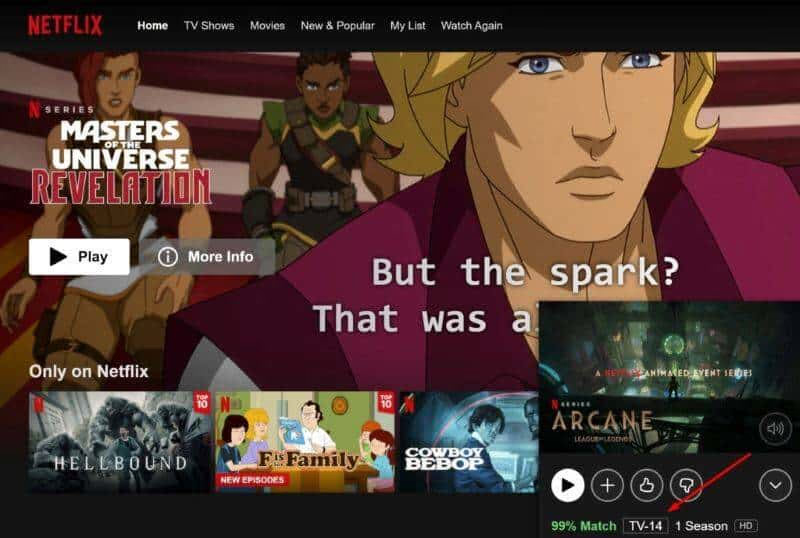
Yes. Netflix, Hulu, Disney+, Amazon Prime Video, and most major streaming platforms adopted the TV Parental Guidelines rating system. When you see TV-14 on a streaming show, it means the same thing as on broadcast TV.
That said, each platform also runs its own internal review process. Ratings can occasionally differ between services for the same show. Always check the rating displayed on the platform you’re using.
#How Can Parents Control TV-14 Content?
Parental controls have changed dramatically since the V-chip era. Here’s what actually works in 2026.
#V-Chip (Broadcast and Cable Only)
The V-chip is built into most TVs and lets you block programs by rating. Go to your TV’s settings, find “Parental Controls” or “V-Chip,” set a PIN, and block everything at TV-14 or above. The catch: V-chip only works on broadcast and cable signals. It does nothing for streaming apps.
#Streaming Platform Controls
Most families stream more than they watch broadcast TV. Each major platform has its own parental controls:
- Netflix: Create a Kids profile with a maturity rating cap. Lock adult profiles with a 4-digit PIN.
- Disney+: Set content ratings per profile and enable a PIN for the main account.
- Hulu: Manage profile restrictions to limit content by rating.
- Amazon Prime Video: Set purchase PINs and viewing restrictions by age rating.
- YouTube TV: Enable restricted mode and set filter levels per profile.
I recommend setting up restricted profiles on every platform your kids access. It takes about 5 minutes per service.
#Talking to Your Kids About Ratings
Controls are a starting point. As your kids get older, conversations matter more than locks. Explain what the ratings mean. Discuss why certain content has age restrictions. The goal isn’t to police every show forever. It’s to help your kids develop their own judgment about what they watch.
#Frequently Asked Questions About TV-14
#Who decides if a show gets a TV-14 rating?
The network or production company assigns the rating based on guidelines from the TV Parental Guidelines Oversight Monitoring Board. This board has overseen the system since 1997. It’s a self-regulatory process, not a government mandate.
#Is TV-14 content safe for a mature 12-year-old?
Not necessarily. The rating exists because the content is generally unsuitable for anyone under 14. Some 12-year-olds handle mature themes well. Others don’t. Preview the show yourself before deciding, and pay attention to the specific subratings (D, L, S, V) to understand what kind of content appears.
#Do all streaming platforms use the TV-14 rating?
Most major platforms do. Netflix, Hulu, Disney+, and Amazon Prime Video all display TV-14 ratings. However, each service applies its own review process alongside the standard guidelines, so ratings can occasionally vary for the same show across different platforms.
#What should I do if my child already watched TV-14 content?
Talk to them about what they saw. Listen to their reaction. Reinforce your family’s guidelines around media. Don’t panic. One exposure isn’t harmful on its own. Use it as a conversation starter about why age-appropriate viewing matters, and adjust your parental controls if needed.
#Where does the TV-14 rating appear on screen?
The rating icon shows up in the upper-left corner of the screen at the start of a program. On broadcast TV, it reappears after commercial breaks. On streaming platforms, you’ll find the rating in the show’s description page before you hit play.
#Can the V-chip block TV-14 content on streaming apps?
No. The V-chip only works with broadcast and cable TV signals. For streaming apps like Netflix or Disney+, you need to use each platform’s built-in parental controls. Most platforms let you restrict content by rating and lock profiles with a PIN.
#What’s the difference between TV-14 and TV-PG?
TV-PG suggests parental guidance for younger children but is generally less intense than TV-14. TV-PG shows may contain mild violence, some sexual references, or occasional strong language. TV-14 steps up the intensity significantly across all content categories.
#How does the Common Sense Media rating compare to TV-14?
Common Sense Media provides independent, detailed age recommendations based on their own reviewers. Their ratings often differ from the industry’s TV-14 label because they evaluate educational value, positive messages, and specific content concerns that the TV Parental Guidelines don’t cover. I’d recommend checking both.
#Bottom Line
The TV-14 rating flags content that’s too intense for kids under 14. Pay attention to the subratings: D for suggestive dialogue, L for strong language, S for sexual situations, and V for violence. Each letter tells you exactly what to expect.
Don’t rely on the V-chip alone. It only covers broadcast and cable. Set up restricted profiles and PINs on every streaming platform your kids use. Netflix, Disney+, Hulu, and Amazon Prime Video all offer these controls, and setup takes minutes.
Start the conversation about media choices early. Ratings are a tool. Your involvement is what actually protects your kids.