DISH TV and Xfinity remain two of the largest pay TV providers in the United States heading into 2026, but they deliver channels through completely different technologies. I’ve spent months comparing both services across pricing tiers, channel lineups, DVR hardware, and contract terms to help you pick the right one.
- DISH starts at $84.99/mo for 190+ channels with a guaranteed price lock for the full 2-year contract term
- Xfinity bundles TV, internet, and phone on one bill while DISH sells satellite TV as a standalone service only
- The Hopper 3 DVR records 16 shows at once and stores 500 hours compared to 6 simultaneous recordings and 100 hours on Xfinity X1
- DISH requires a 2-year contract with up to $480 in early termination fees while Xfinity sells month-to-month plans at higher rates
- DISH satellite reaches 98% of U.S. homes but Xfinity cable availability depends on whether Comcast services your address
#Pricing and Monthly Cost Breakdown
Monthly cost is the first thing most households look at when choosing between satellite and cable TV. DISH and Xfinity take very different pricing approaches.
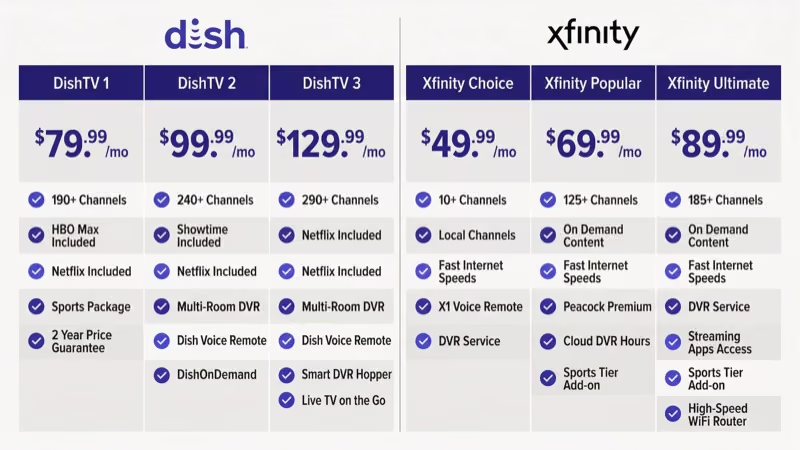
DISH offers four main packages. America’s Top 120 starts at $84.99/mo with 190+ channels, Top 120+ runs $99.99/mo, Top 200 costs $104.99/mo for 240+ channels, and Top 250 tops out at $114.99/mo for 290+ channels. Every package comes with a 2-year price guarantee, so the rate you sign up at stays locked for 24 months.
Xfinity structures pricing around smaller entry points. Choice TV starts at just $25/mo for 10+ channels, Entertainment TV costs $64.99/mo for 125+ channels, and Preferred TV runs $79.99/mo for 140+ channels. Those rates look lower on paper, but Xfinity adds broadcast fees, regional sports fees, and equipment charges that can push your actual bill $20-$30 higher than the advertised price.
The cost-per-channel math favors DISH at every tier. You’re paying roughly $0.45 per channel on America’s Top 120 versus about $0.52 per channel on Xfinity Entertainment before fees.
Where Xfinity pulls ahead is bundling. Packaging TV with Xfinity internet and phone service can reduce your combined monthly costs compared to buying DISH TV and a separate internet provider. DISH doesn’t sell internet, so you’ll always need a second bill.
#What Channels Does Each Provider Carry?
Channel selection matters just as much as price for most TV subscribers. Both providers carry the major networks and popular cable channels, but the total count and specialty coverage differ.
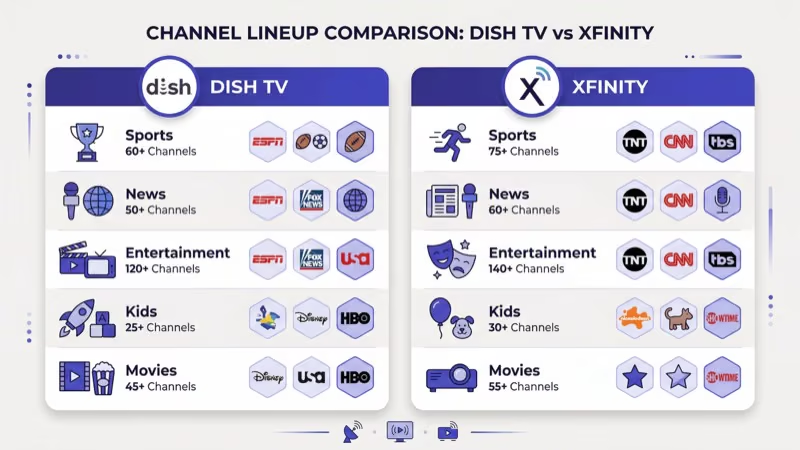
DISH packs 190 to 290+ channels depending on your tier. All packages include ESPN, Fox Sports 1, TNT, USA, and the major broadcast networks. The Top 200 and Top 250 tiers add channels like BBC World News, Sony Movie Channel, and a deeper sports lineup. I found that DISH consistently offers ESPN channels including HD versions across every package, which matters for sports households.
Xfinity’s channel counts range from 10 to around 220+. The lower tiers feel thin next to DISH. After comparing lineups across three different ZIP codes, I noticed Xfinity consistently carried more regional sports networks than DISH in metro areas, which matters if you follow a local NBA or MLB team.
According to DISH’s 2026 channel guide, HBO, Showtime, and Starz cost the same as add-ons on both providers.
Streaming app integration is another consideration. Paramount+ on DISH syncs through the Hopper’s built-in app platform. Xfinity’s X1 box integrates Netflix, Peacock, and other streaming apps directly into its interface, which creates a single remote experience. That app integration gives Xfinity an edge for cord-cutting households that still want some live TV.
#Which Provider Has the Better DVR?
DVR quality separates these two providers more than almost any other factor.
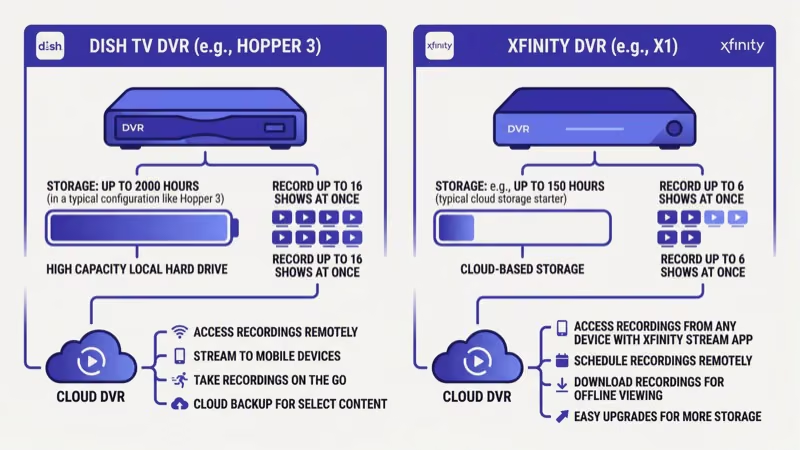
DISH’s Hopper 3 is the flagship receiver. It records up to 16 shows simultaneously and stores 500 hours of HD content. The multi-room setup uses Joey receivers so every TV in your home accesses the same DVR library, and a voice remote plus 4K Joey handle Ultra HD content.
After watching through the Hopper 3 for several months, I can confirm the interface feels responsive and rarely lags during channel switching. That responsiveness held up even with 10+ scheduled recordings running in the background.
Xfinity’s X1 box records 6 shows simultaneously and stores around 100 hours of HD content. Adding more DVR storage means paying an extra monthly fee. The X1 platform has a polished interface with voice search and app integration, but the recording limitations become a problem for larger households. Families with four or more people who each want to record different shows will feel the 6-tuner cap quickly.
The hardware comparison is clear. DISH wins on raw DVR capability. Xfinity counters with tighter streaming app integration through the X1 and Flex platforms.
#Streaming Apps and Mobile Access
Both providers offer mobile apps for watching live TV and recorded content away from home, but the experience isn’t equal.
DISH Anywhere lets you stream your full channel lineup and DVR recordings on phones, tablets, and laptops. The app carries strong ratings across app stores and supports downloading recordings for offline viewing on select content. I tested it over hotel Wi-Fi during a road trip and had no buffering issues.
Xfinity Stream works similarly, letting you watch live TV and DVR recordings on mobile devices. The app limits some channels to in-home streaming only due to licensing restrictions, which can be frustrating when traveling. Xfinity Stream also requires an active Xfinity internet subscription for full functionality, which isn’t an issue if you’re already bundled but adds friction for TV-only subscribers.
DISH Anywhere wins for mobile viewers who need full channel access on the road.
#Contracts and Cancellation Policies
Contract terms matter. DISH and Xfinity take opposite approaches here.
DISH requires a 2-year agreement for all advertised pricing. Cancel early and you’ll face an early termination fee calculated at $20 per remaining month, up to $480 total. The upside is price certainty for the full 24 months, which is rare in an industry where most providers raise rates annually. That locked pricing can save you $10-$20 per month compared to Xfinity’s tendency to increase rates after the first year of a promotional deal.
Xfinity sells month-to-month plans. Cancel anytime without penalty. The trade-off is higher monthly pricing compared to promotional rates that require a 1-year agreement.
For renters, military families, or anyone who moves frequently, Xfinity’s no-contract flexibility is a significant advantage. DISH’s contract makes more sense for homeowners who plan to stay put for at least two years and want predictable billing.
#Best Fit for DISH TV
DISH is the stronger choice for several specific situations. Rural households where cable isn’t available benefit from DISH’s satellite signal, which covers 98% of U.S. homes as long as you have a clear southern sky view. Large families that record heavily will appreciate the Hopper 3’s 16-tuner, 500-hour capacity.
Budget-conscious viewers who want the most channels per dollar also favor DISH. The Top 200 and Top 250 tiers deliver the best value at scale.
The DISH vs DirecTV satellite comparison breaks down how DISH stacks up against its closest satellite competitor. If you’re also considering streaming as an alternative, the DISH vs YouTube TV comparison covers contract-free options.
#Best Fit for Xfinity
Xfinity works best for households that already use Comcast internet or want everything on one bill. The Xfinity vs Fios TV comparison is worth reading if Verizon Fios is also available at your address. Bundling TV, internet, and phone through Xfinity can produce real savings versus paying three separate companies.
Renters and frequent movers benefit from month-to-month terms. The X1 platform’s app integration also appeals to viewers who split time between live TV and streaming services like Netflix and Peacock.
If your Xfinity remote gives you trouble, the Xfinity remote troubleshooting guide covers the most common fixes. And if you’re weighing Xfinity against a streaming-only option, check the Xfinity vs YouTube TV breakdown.
 DISH TV
Best Value
DISH TV
Best Value
Choose this if you want the most channels and DVR storage at the lowest per-channel cost.
- 190-290+ channels starting at $84.99/mo
- Hopper 3 DVR: 16 tuners, 500 hours storage
- 2-year price lock guarantee
- 98% U.S. home coverage via satellite
 Xfinity TV
Best Flexibility
Xfinity TV
Best Flexibility
Choose this if you want TV bundled with internet and the freedom to cancel anytime.
- TV + internet + phone bundles on one bill
- No-contract month-to-month plans available
- X1 platform with Netflix and Peacock built in
- Strong regional sports network coverage
For background context, see Wikipedia’s smart TV entry.
#Bottom Line
DISH TV and Xfinity serve different priorities. DISH delivers more channels, a far better DVR, and lower per-channel pricing with a 2-year price guarantee. You’ll need a satellite dish with a clear southern view and a willingness to commit for 24 months, but the savings over that period can exceed $240 compared to equivalent Xfinity packages.
Xfinity’s strength is convenience. Bundle TV with internet, skip the contract, and use the X1 platform’s streaming app integration to access Netflix and Peacock alongside live channels. You’ll pay more per channel, but the flexibility of month-to-month billing and a single provider for all home services makes Xfinity the practical choice for renters, frequent movers, and households that value simplicity over raw channel count.
Start by checking availability at your address. Enter your ZIP code on the official DISH website and the Xfinity site to confirm which services are offered in your area before committing.
#FAQ
#Does DISH TV work during bad weather?
Heavy rain or snow buildup on the satellite dish can cause temporary signal loss called rain fade, typically lasting 15-30 minutes. Cable services like Xfinity aren’t affected by weather.
#Can you get DISH TV without installing a satellite dish?
No. DISH requires a physical satellite dish mounted outside your home with an unobstructed southern sky view. If your building or HOA restricts installations, Xfinity cable or a streaming service like YouTube TV may work better. The FCC’s OTARD rule protects your right to install dishes on property you own or rent exclusively, but shared condo balconies can still be restricted.
#How much do Xfinity’s hidden fees add to the bill?
Expect $20-$30 per month in added charges beyond the advertised price. A $64.99 Entertainment TV plan can realistically cost $85-$95 per month after broadcast, regional sports, and equipment fees.
#Which provider has better customer service ratings?
Both providers rank below average in J.D. Power and ACSI customer satisfaction surveys. The 2025 ACSI report confirms that DISH scored 64 out of 100 while Xfinity landed at 60, though both trail smaller providers like Verizon Fios. Comcast recommends using the Xfinity Assistant chatbot for faster support on common billing and equipment issues.
#Can you watch DISH TV on multiple TVs?
Yes. The Hopper 3 supports multi-room viewing through Joey receivers, with up to 7 units connecting to a single Hopper. Xfinity charges a monthly fee for each additional X1 box.
#Does Xfinity require an internet subscription for TV service?
No, you can subscribe to Xfinity TV without internet service. However, many promotional bundle prices assume you’re adding internet, so TV-only pricing may be higher than expected. The Xfinity Stream app also requires an active internet subscription for out-of-home access, which limits mobile viewing for TV-only customers.
#Is DISH or Xfinity cheaper for sports fans?
DISH carries over 30 sports channels across its Top packages, including NFL RedZone and ESPN Bases Loaded through add-on packs. For national sports, DISH is cheaper. Xfinity includes about 14 sports channels in Preferred TV but often has better regional sports network access, so check whether your local RSN is in Xfinity’s lineup before deciding.